by Dr Madeline Beveridge, Pastoral Projects Leader
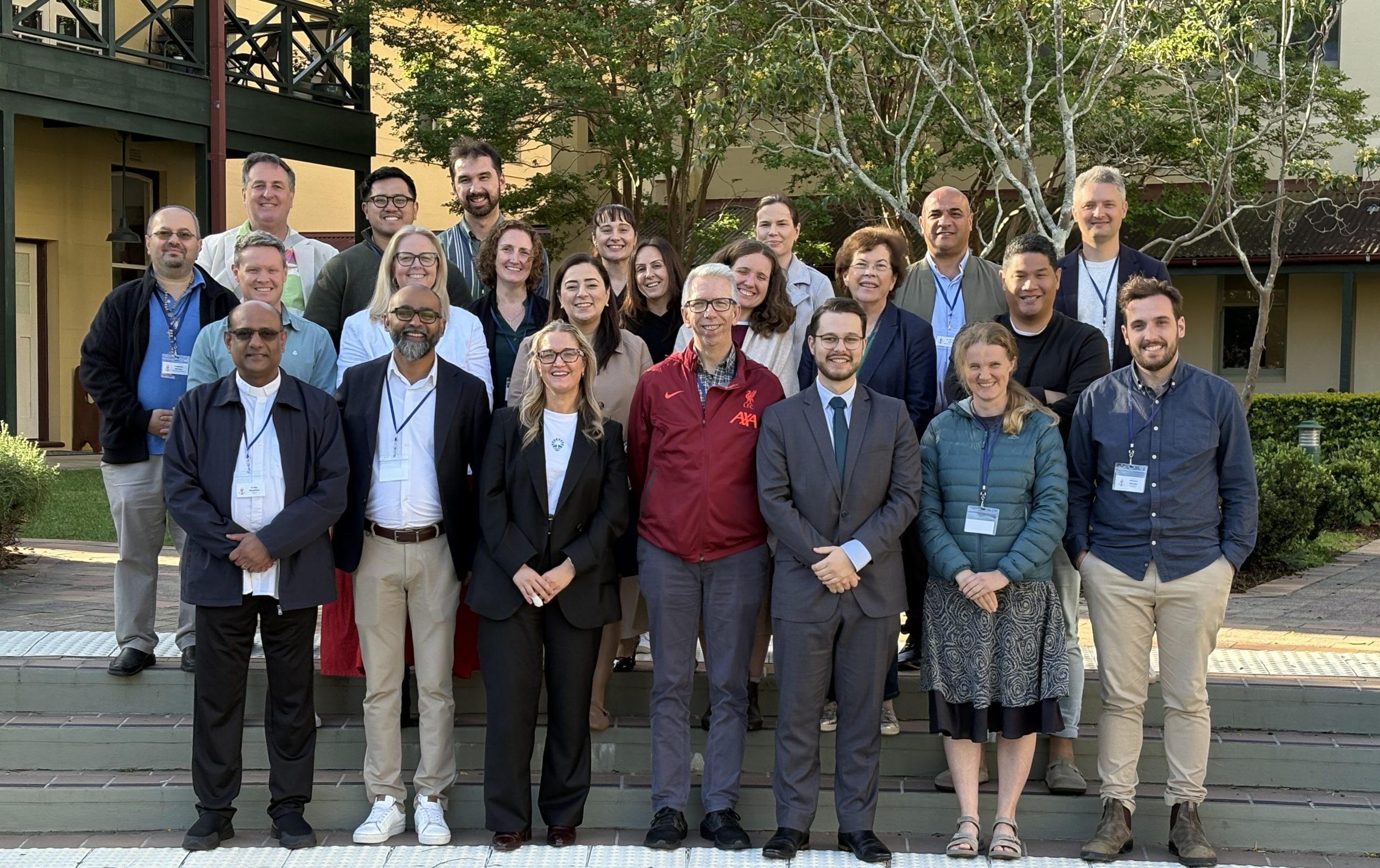
A year ago, we gathered for the first Eucharist28 retreat still asking what our role might be and even what a Eucharistic Congress was. Twelve months later, the dates are confirmed, preparatory materials are being shared, and dioceses across Australia are beginning to prepare their people for 2028.
I have just returned from the second retreat, which affirmed what I sensed last year: Eucharist28 is about more than an event. The congress will be significant, but it is a doorway rather than a destination. It offers a real opportunity for public witness, renewal and the nurturing of our own faith. It is a chance to invite others in, welcome the curious, and share our faith with one another and with friends old and new.
One moment that has stayed with me is the sense of stillness as we prayed together before the Blessed Sacrament. In that shared silence, the scale of the congress gave way to something simpler and more personal: Christ’s invitation to draw near, to listen and to be renewed.
Here in Lismore, parish teams now meet online each month to explore how their communities can become places of Eucharistic renewal. Across the distances of our diocese, ideas and encouragement are being shared, and no parish has to make this journey alone.
I left the retreat carrying questions more than answers. How do we prepare our communities to be places of welcome? Do we know each other’s names, and do we stop and talk with the people around us? How do we seek an encounter with Christ and deepen our relationship with Him? What support do parishes need on this journey? Where do young people and families belong, and how can they be embraced? And what structures would support collaboration and shared leadership?
Underneath these sat a question we were all asked: if the congress leaves one thing permanently changed in the Church in Australia, what would we want it to be? My answer is a Church transformed by encounter with Christ, rooted in hope, centred on the Eucharist and sustained by an enduring relationship with Him. I would want this encounter to shape how people understand their baptismal call, belong to the Church and take part in its worship, service and mission.
Looking ahead to the Jubilee of Redemption in 2033, I hope parishes are places of joyful welcome where the Mass is the centre of life, and where people find Christ nourishing and sending them. I hope some who left have come home and the curious have found a place to belong. I hope every baptised person understands their call to holiness and mission, is formed to discern how God is calling them, and is supported to take part fully in worship, service, leadership and the life of the community. I hope this renewed culture bears fruit in vocations to marriage, ordained ministry, consecrated life, lay ecclesial ministry and Christian service. I hope Catholics in remote and regional communities feel as carried as those in the cities. And I hope we have become what we have received, the Body of Christ, seeking out the defenceless, the homeless, the lonely and the lost.
I invite you to take one of these questions to your parish pastoral council or your next parish gathering, and to ask how you would answer it. The answers will shape what we build together.


