by Barry de Silva
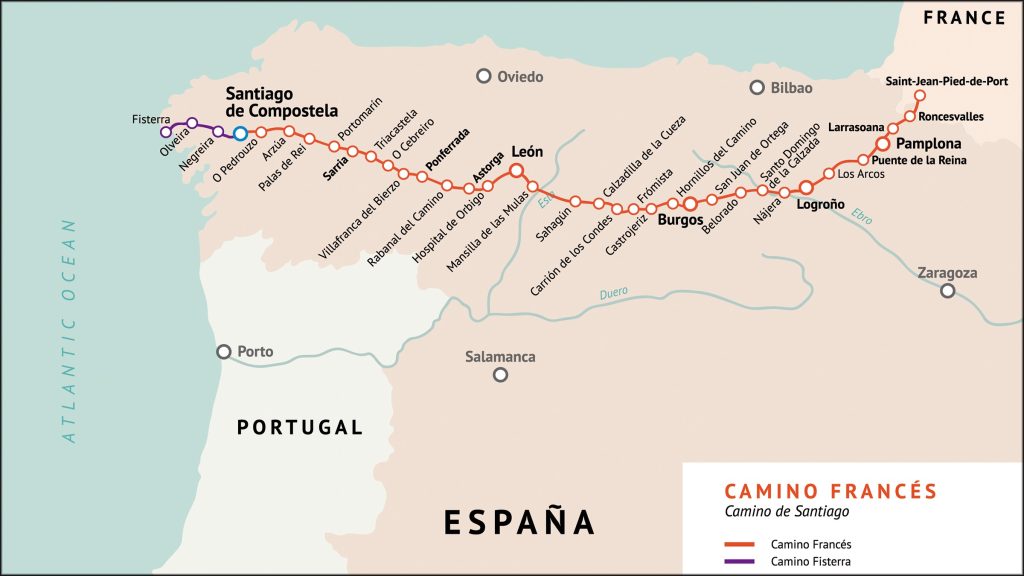
Earlier this year, Diocesan Business Manager Greg Isaac completed the Camino Francés, walking 812 kilometres from St Jean in France, to the Santiago de Compostela Cathedral in Spain. Greg sat down with Catholic Life to reflect on how the journey offered him a renewed sense of perspective and a chance to step away from the noise of daily life to walk with God.
With its picturesque views and rich history, the UNESCO World Heritage-listed Camino Francés is not only one of the most travelled routes on the Camino de Santiago, it symbolises an opportunity to renew the spirit and connect with God. Last year alone, 242,179 pilgrims walked the long journey.
Greg says the Camino represented to him more than just the kilometres walked. Especially given it was 12 months on from Greg’s recovery from open-heart surgery.
“It’s faith in action,” he enthuses. “The Camino is a walk but it’s also a pilgrimage. It was a time of reflection and being disconnected from the world.”
Since returning home, Greg believes the Camino has left him with a renewed sense of perspective. “I’m probably a little bit more relaxed. Before I went away, some things could seem really important.”
Instead, he says, life is fundamentally about the relationships we nurture. “The people around us are important. Our relationship with others, and our relationship with God, are important.”
Stepping away from the noise
As an experienced walker who has explored the tracks around Australia and New Zealand, Greg says the pilgrimage provided the ideal environment to step away from the busyness.
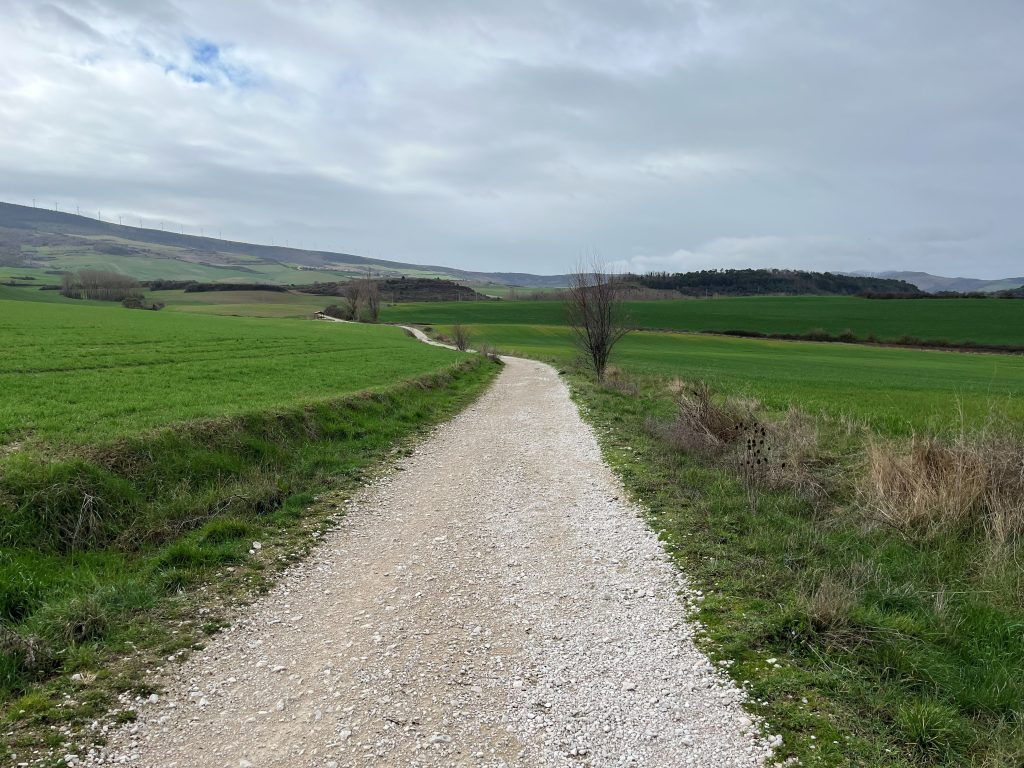
“Daily life is full of disruptions, and sometimes the inner voice gets lost,” he explains. “What was good was when I was surrounded by nature. I heard the wind and the sounds around me, and it put it all in perspective.”
The experience reminded Greg that God is often found in stillness and peace.
“Some people have a profound, life-changing experience on the Camino, which is wonderful, but it wasn’t like that for me.”
Instead, he was reminded of the story of Elijah (1 Kings 19), who looked for God in the earthquake, wind and fire but ultimately encountered the Lord quietly.
“I think that was more my experience. God wasn’t speaking through something dramatic. It was much softer — like a whisper.”
Walking through Lent
Greg’s pilgrimage had added religious symbolism as it coincided with one of the most important periods in the Catholic Church’s calendar — Lent.
“I tried to live simply as I walked, by having very simple meals and a daily prayer routine,” he says.
“When I’m busy, I talk a lot to God, but I rarely listen to God, and this this was a time for me to listen. I found that to be quite renewing, and in its own way, challenging. You start to see yourself with a different perspective and fresh clarity.”
Following the shell
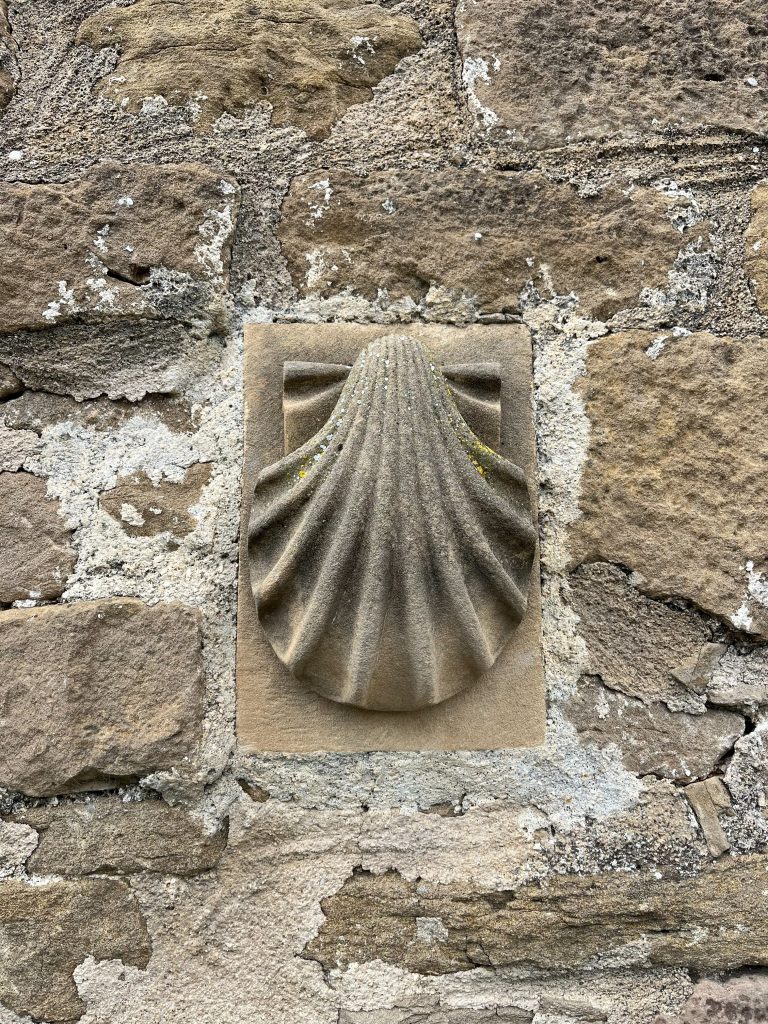
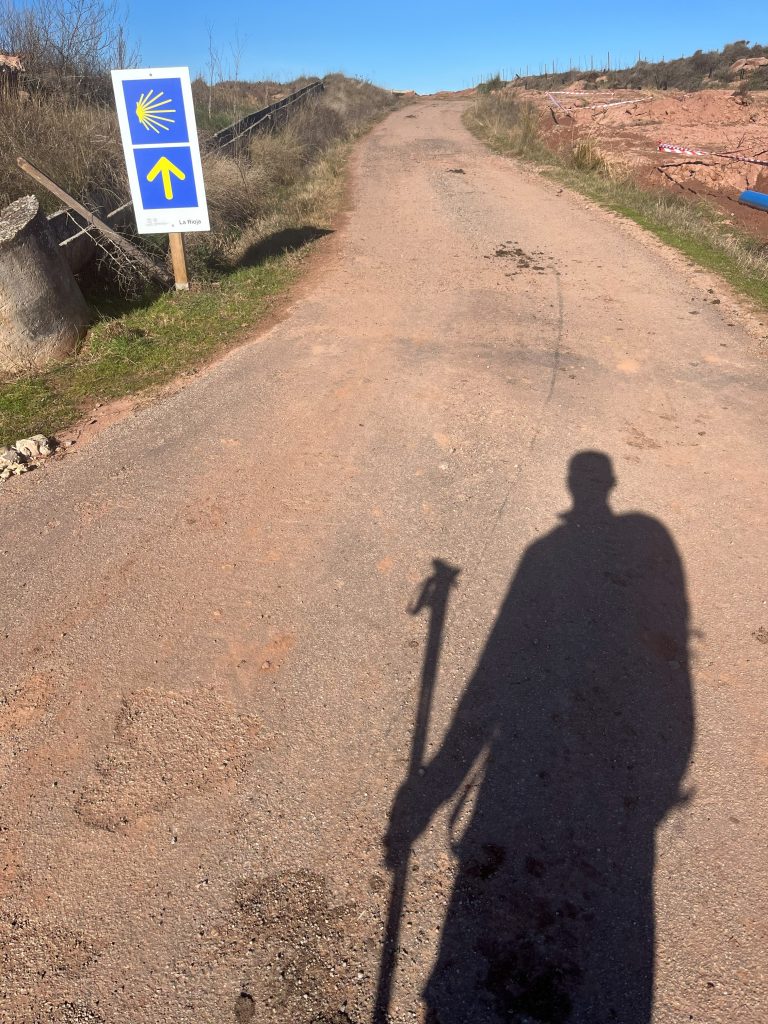
One of the symbols of the Camino is the scallop shell. Greg carried a shell on his backpack throughout his journey, which identified him as a pilgrim. Shells were also painted on walls, on Roman pathways and displayed on signposts in medieval villages, guiding pilgrims towards Santiago de Compostela.
“Everywhere you’d go, you’d follow the shell!”
Encountering the Universal Church
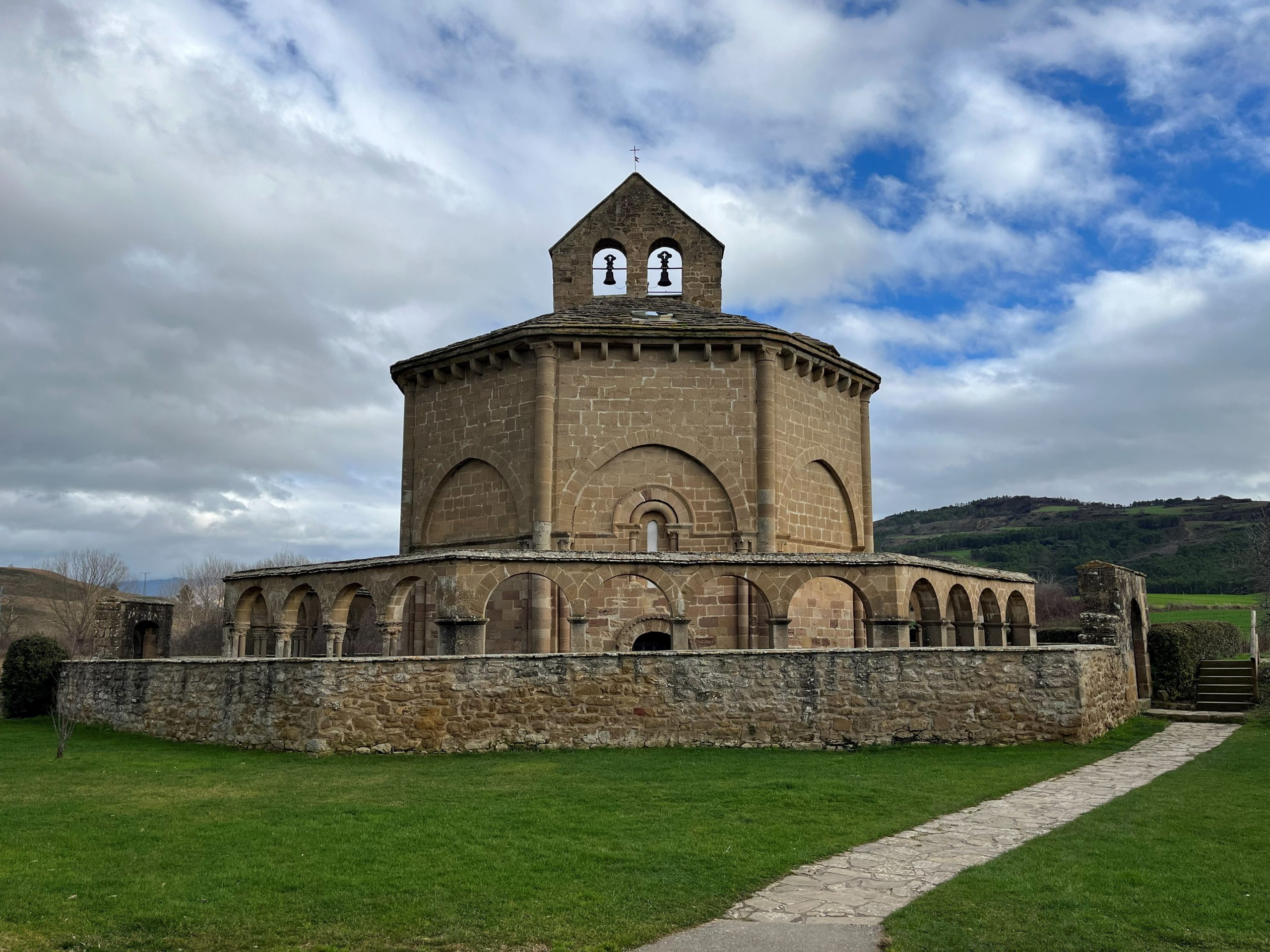
Along his journey, Greg was greeted by a spectrum of people from different walks of life with their own unique stories — some had completed the Camino many times, others were doing it for the first time, including one couple who were completing for their own personal reasons.
“It was heartening meeting so many people of faith who were on their own journeys. There was a lot of youthfulness, energy and hope. I also met a man and his girlfriend, who were tradespeople in the UK. They had been through a few losses in their lives, and the Camino represented an opportunity for them to just get away from it all.”
Along the way, Greg visited several historic Spanish communities, including Logroño, famous for its Rioja wine; Burgos, known for its UNESCO World Heritage-listed Gothic cathedral; and León, home to one of Europe’s most extensive collections of medieval stained glass at León Cathedral.
“The majority of the communities I visited were very welcoming. Some even had little gifts and prayer cards for pilgrims,” Greg shares.
Challenging weather
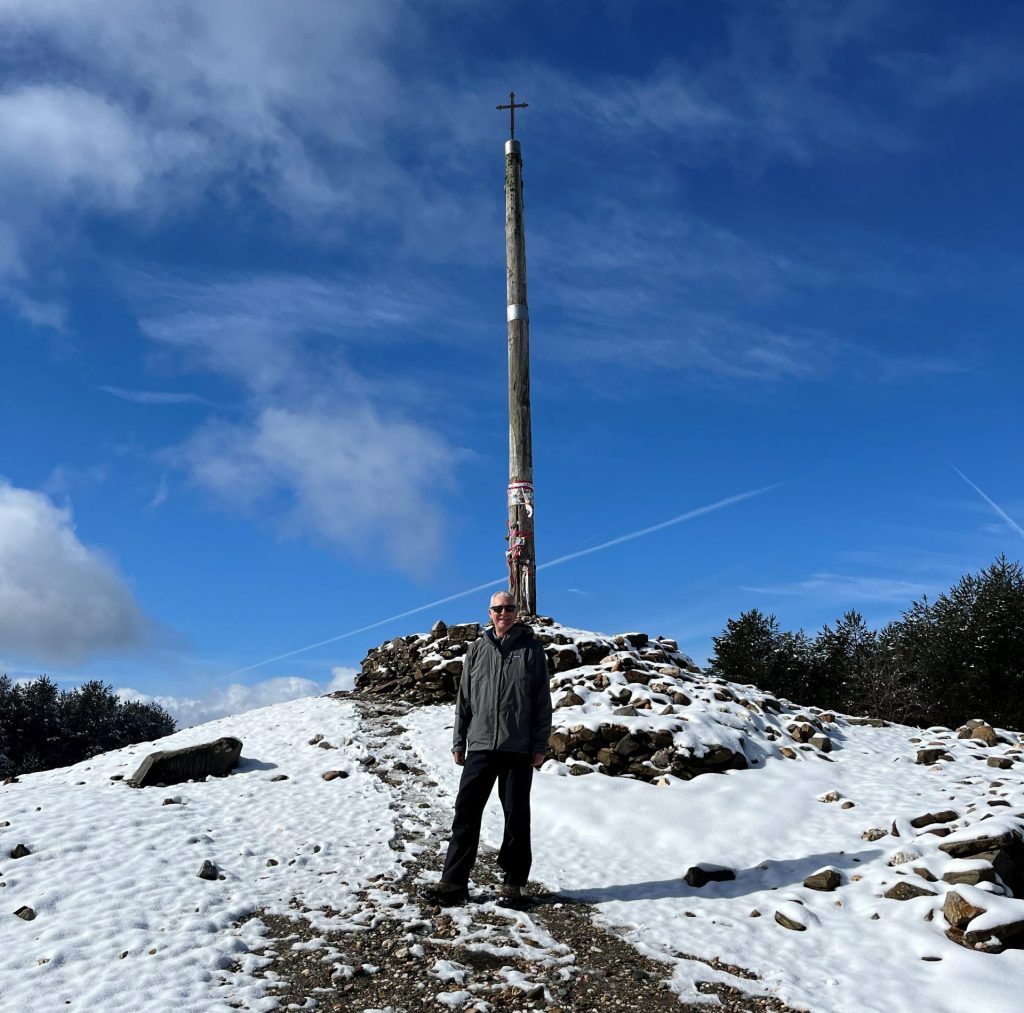
Even though the Camino was a spiritually enriching experience, it was not without its difficulties. During his journey, Greg walked through snow-covered mountain ranges, heavy rain, and flooded creeks.
On one section, snow covered many of the route markers, forcing him to rely on a mapping app on his phone and the footprints of fellow pilgrims. “There were two Norwegian women ahead of me and I was just following their footprints through the snow.”
Heavy rain during the early stages of the pilgrimage also created challenges, but wet shoes, sore feet and blisters were all part of the experience. “The first couple of weeks were the hardest. Then you get into a rhythm and just keep going.”
By the end of the pilgrimage, however, his body had adapted. “The physical side became fine because you were so well conditioned.”
Arriving in Santiago
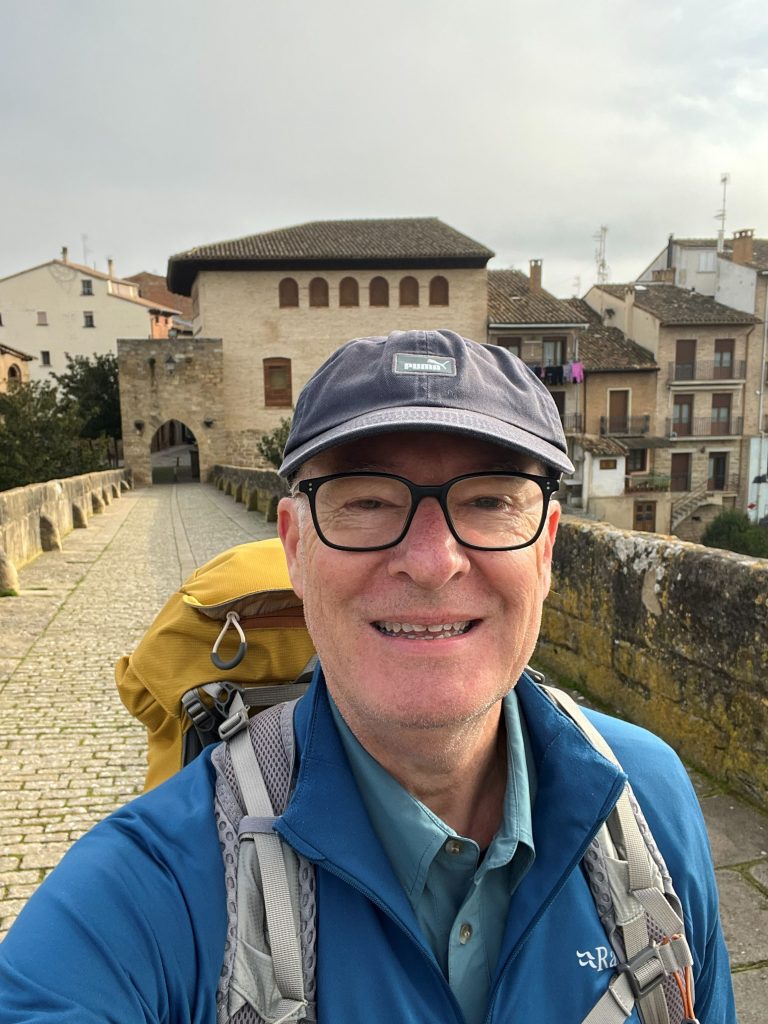
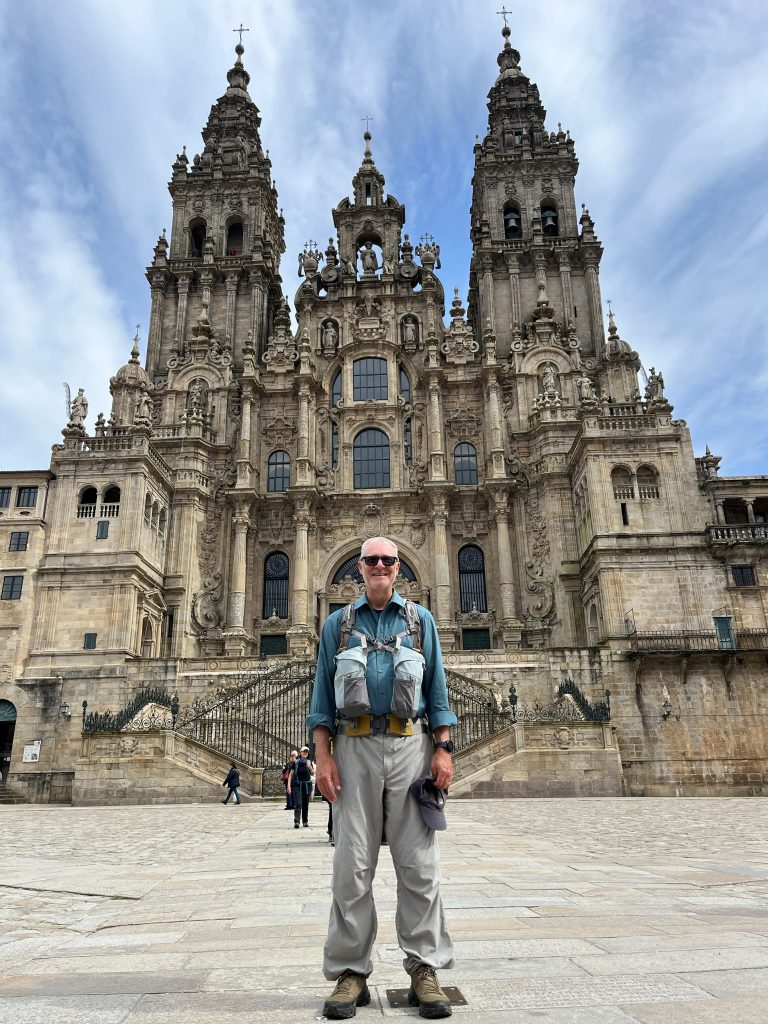
After 32 days walking and two rest days, Greg finally arrived at the Romanesque, Gothic and Baroque Santiago de Compostela Cathedral. According to ancient tradition, the cathedral houses the tomb of St James the Apostle.
With almost all the Camino routes in Europe finishing in Santiago, thousands of pilgrims gather at the cathedral each evening to celebrate Mass. For someone who had spent weeks worshipping in small village churches, Greg says entering the cathedral was a powerful experience, and a fitting end to his pilgrimage.
“You go from these little churches in villages that are five hundred years old, right through to this enormous basilica filled with pilgrims from all over the world — it was really quite special.”